-
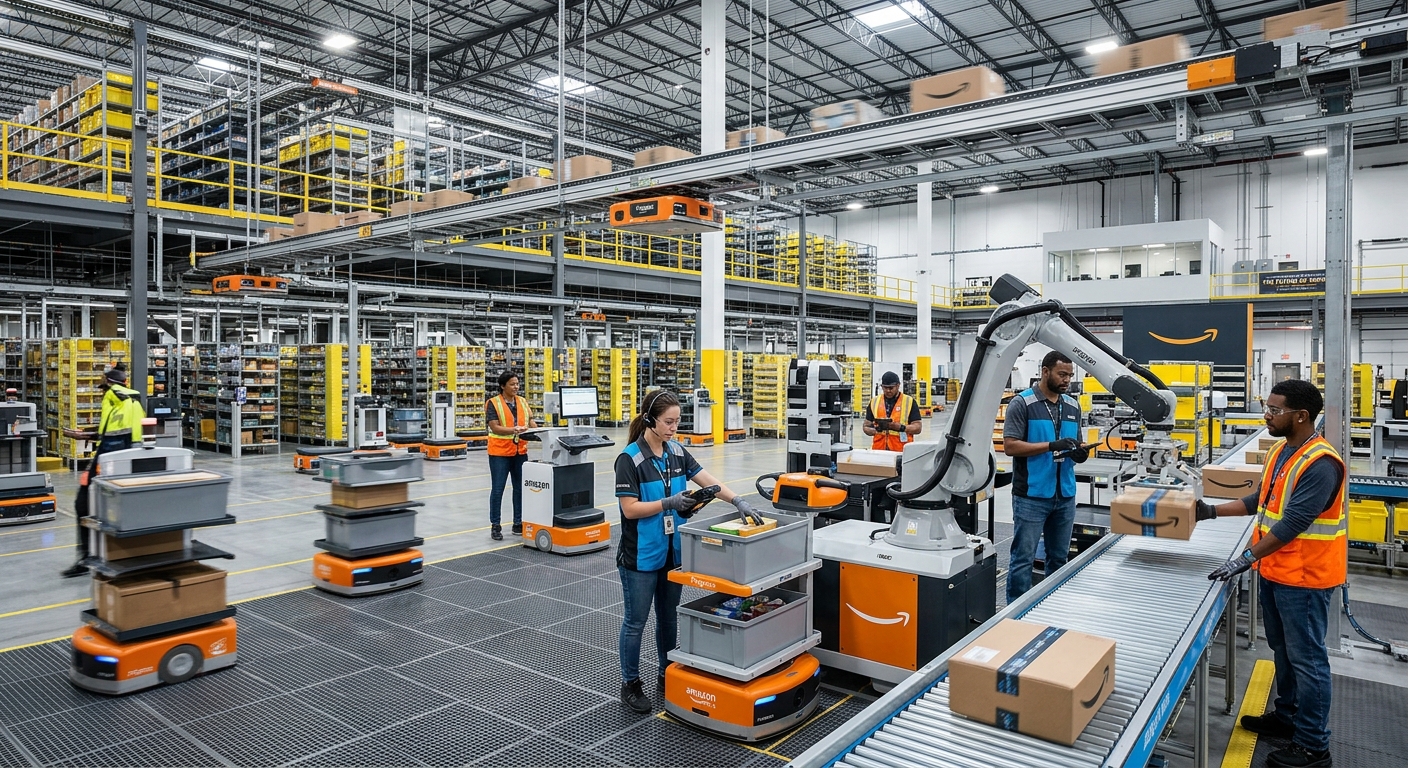
Paul Jackson: Flexible Work, Fair Pay, and Worker Freedom
Flexible work and fair pay are central to the debate over how technology is changing employment. Paul Jackson examines how technology can help ensure workers are paid for their work, why the balance between efficiency and autonomy matters, and whether we can make work fairer without sacrificing freedom.
-
Matt Battaglia: Art, Freedom, and the Problem with Political Propaganda
What do graphic novels, political documentaries, and Georgian winemaking have in common? For Matt Battaglia, they are all ways of exploring the human experience and the meaning of freedom. In this interview, we discuss artistic expression, political propaganda, storytelling, digital gatekeepers, and how creators can reach audiences without sacrificing their vision.
-

When Hollywood Forgets To Movie
If you are like me and don’t want to go out when it’s scorching hot outside, no matter what day of the week it is, you’d probably pop in for a movie. In my search for a good Friday night movie, Now You See Me: Now You Don’t popped up. And of course, like any…
-

William Irwin: Living Without a Script
What do Seinfeld, heavy metal, existentialism, and free markets have in common? For William Irwin, they are all ways of thinking about some of philosophy’s oldest questions — how we should live, what it means to be free, and how we become ourselves. In this interview, we discuss philosophy in popular culture, Metallica and Black…
-
Ilya Somin: Freedom Beyond the Ballot Box
Ilya Somin joins us to discuss political ignorance, foot voting, immigration, and what freedom looks like beyond the ballot box.
-

Glen Hodgson: The Future of Work
In this interview, Glen Hodgson discusses the future of work, from AI and remote work to changing expectations around the traditional 9-to-5 and the challenges facing Europe’s labour markets.
-
Kristian Niemietz: Why Britain Stopped Building
In this interview, Kristian Niemietz discusses housing and infrastructure, the problems facing the NHS, Britain’s economic stagnation, the legacy of Brexit, the political obstacles to pro-market reform, and the challenges AI poses for Britain and Europe’s competitiveness.
-

Kevin Flanagan: Brehon Law and Rethinking the Modern World
Kevin Flanagan explores the world of Brehon Law and what it can reveal about ancient Irish society. He discusses law without a central state, the relationship between freedom and responsibility, Irish identity, and what ancient legal traditions can teach us about the modern world.
-
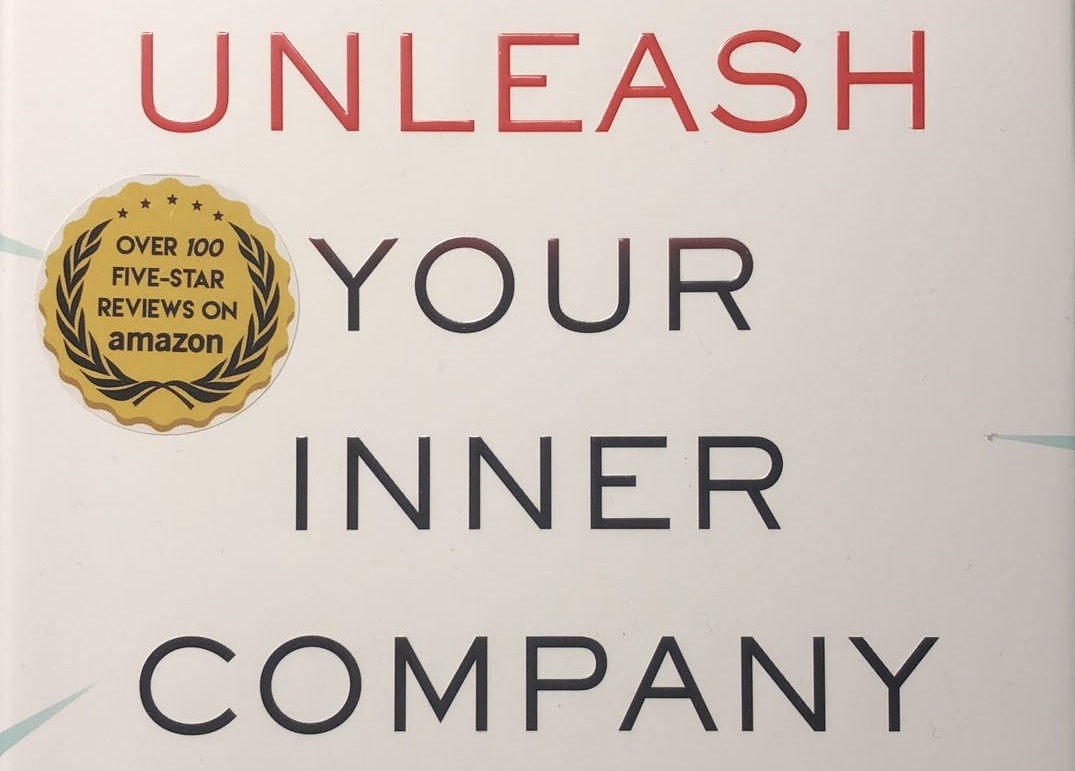
John Chisholm: Unleashing the Entrepreneur Within
What does it mean to “unleash your inner company”? For entrepreneur and author John Chisholm, entrepreneurship is not simply about starting a business, but about discovering where your skills, resources, and ambitions can create something of value.
-
Walter Block: Five Decades Defending Freedom
In this interview, Walter Block reflects on the ideas that shaped his thinking and defined his career. He discusses markets, economic freedom, voluntary exchange, and the enduring pursuit of a society where individuals can thrive.
-

Scott Nelson: Why Cicero Still Matters in the 21st Century
Cicero lived in a world of political turmoil, but his ideas about law, liberty, and republican government survived long after the fall of Rome. In this interview, Scott Nelson explores why an ancient Roman thinker still has important lessons for the modern world.
-
Dan Mitchell: Rethinking Taxes, Growth, and Fairness
Few policy debates are as persistent as the question of how governments should tax their citizens. Economist Dan Mitchell shares his perspective on fairness, simplicity, and the role tax policy plays in shaping economic incentives and prosperity.
-

Robert Tyler: Europe’s Strategic Crossroads, NATO’s Future, and the New Global Order
The world order that emerged after the Cold War is undergoing a profound transformation. In this interview, Robert Tyler discusses the shifting nature of US–European relations, the future of NATO, Europe’s defence capabilities, the rise of China, energy security, and the challenges facing the liberal international order.
-

Bosko Karadjov: From Nozick to Spider-Man — How Ideas of Freedom Shape Culture
From political philosophy to popular culture and comic books, philosopher Bosko Karadjov explores liberty, utopian thinking, symbols, and the philosophical ideas hidden within the stories we tell and the characters that shape our culture.
-
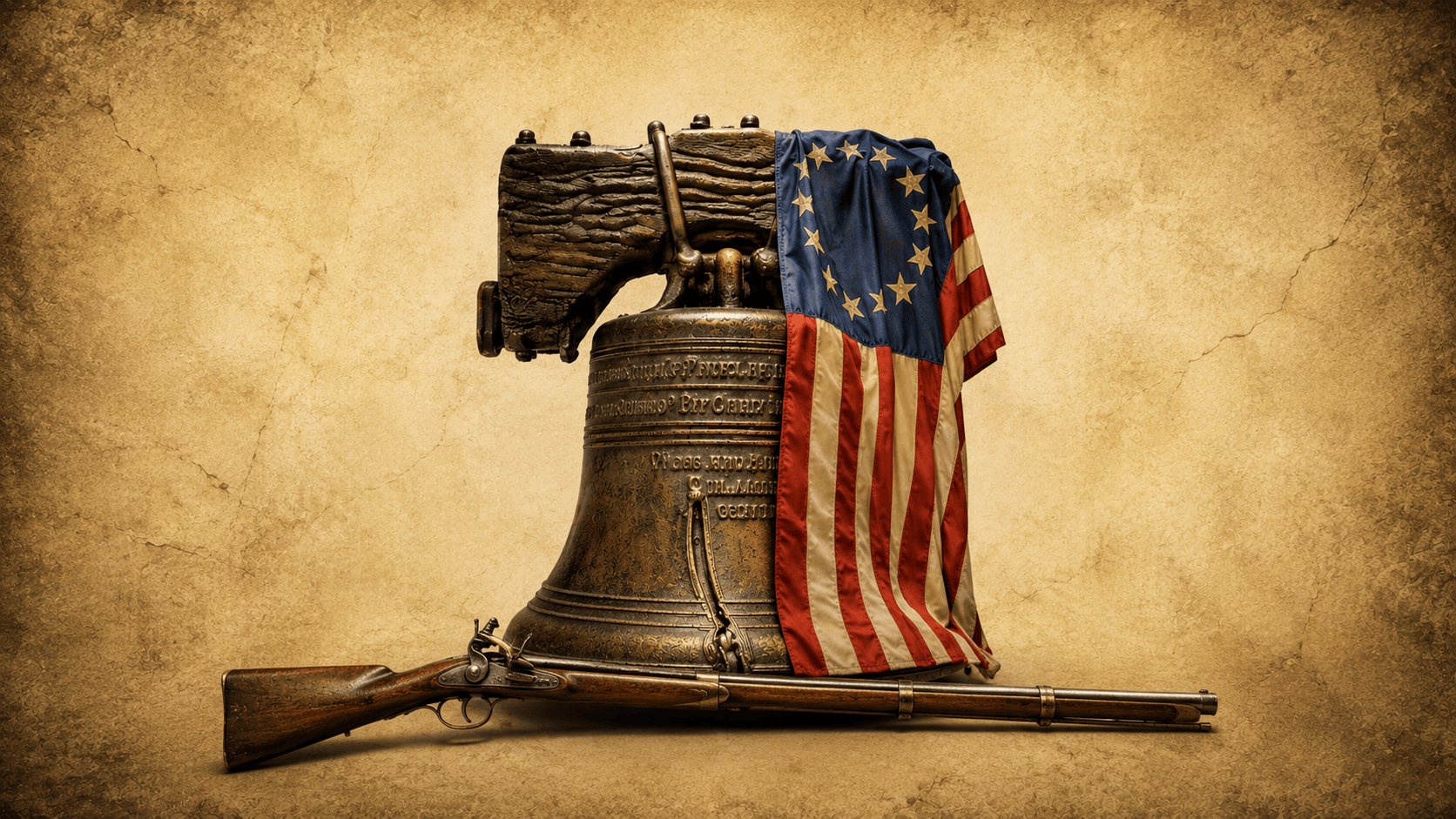
Lawrence W. Reed: The Ideas That Shaped America
Drawing on themes from Lawrence W. Reed’s latest book, Born of Ideas, this conversation explores America’s founding principles and the complex realities of history, as well as the institutions that shaped the country.
-

Nikos Sotirakopoulos: The Age of Tribalism and the Future of Liberalism
In this interview, Nikos Sotirakopoulos discusses tribalism, identity politics, and the future of liberalism in what seems to be an increasingly divided world.
-
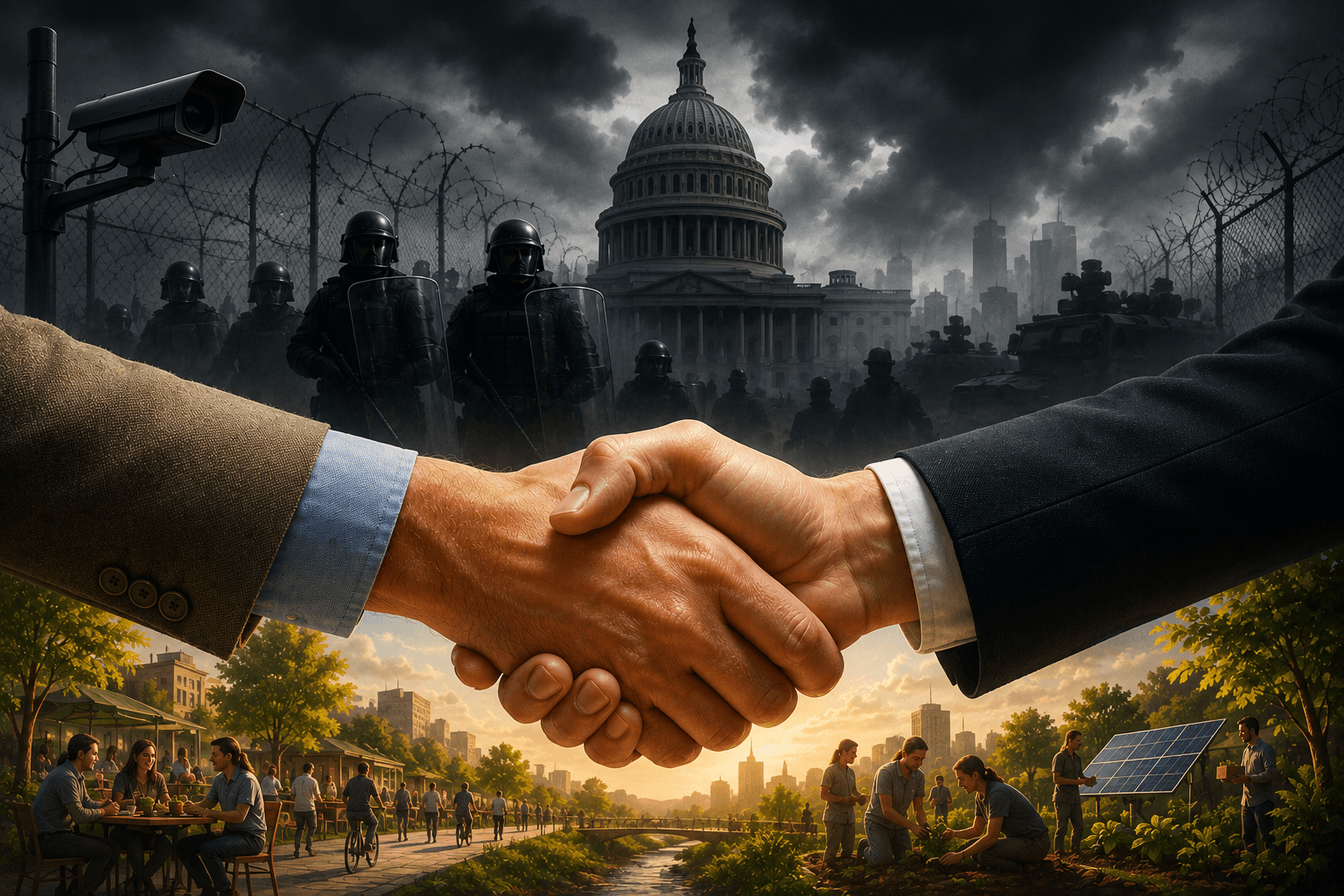
Antony Davies & James Harrigan: What Politics Can—and Can’t—Deliver
In this interview with Antony Davies and James Harrigan, we explore cooperation and coercion, and the scope and limits of politics in shaping a free society. What can politics realistically achieve as a tool for solving social and economic problems, and where does its influence end?
-

Christopher Lingle: The Fragile Foundations of Prosperity
We speak with economist Cris Lingle about economic freedom, inequality, globalization, institutions, and the enduring case for markets in an era of rising skepticism toward liberalism—and the fragile foundations of prosperity.
-
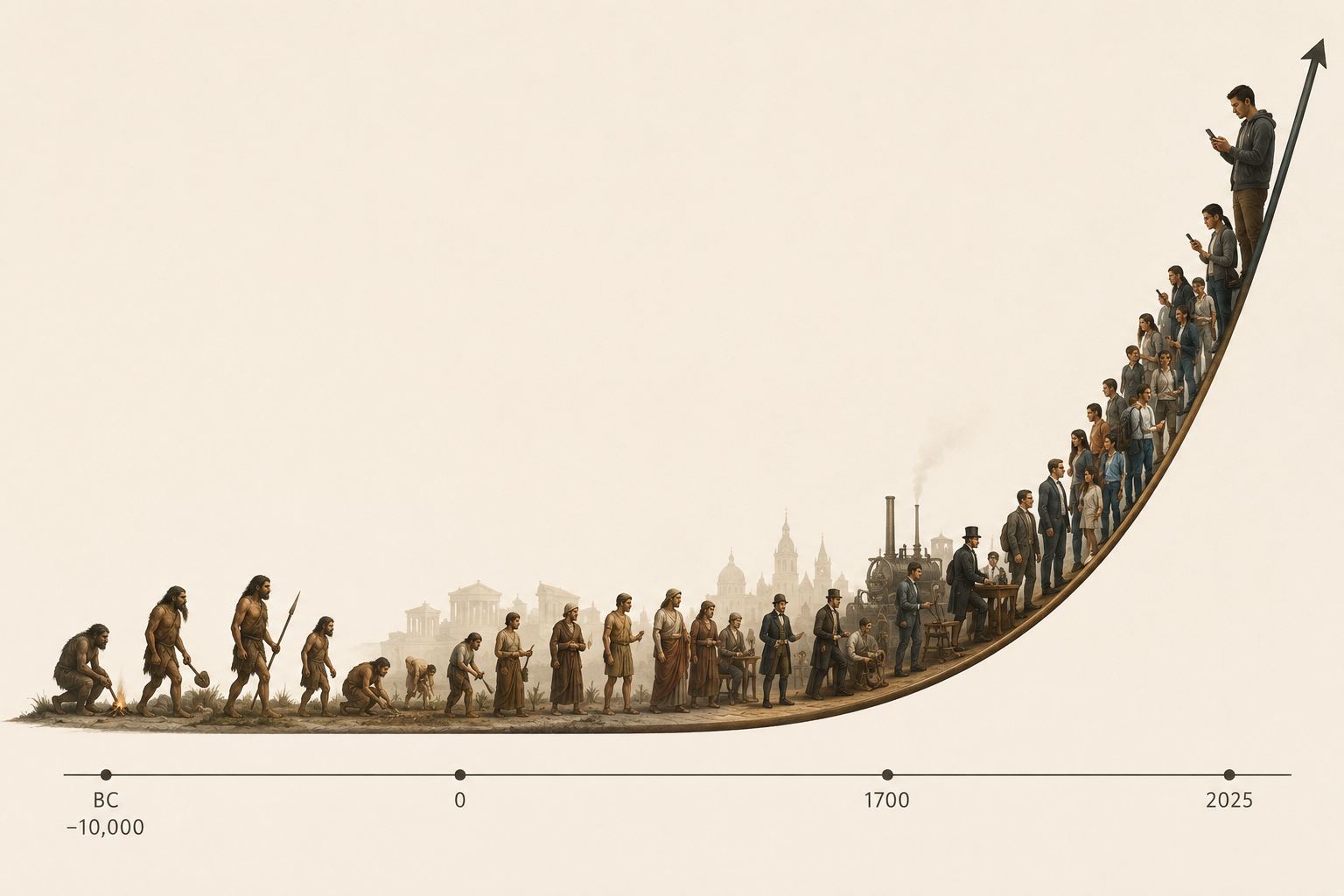
Art Carden: The Origins of Modern Prosperity and Why It Matters
In a discussion featuring Art Carden, we examine the origins and drivers of modern prosperity, focusing on how institutions, incentives, and human creativity have shaped long-term economic growth and why these foundations remain central—and contested—in today’s policy debates.
-
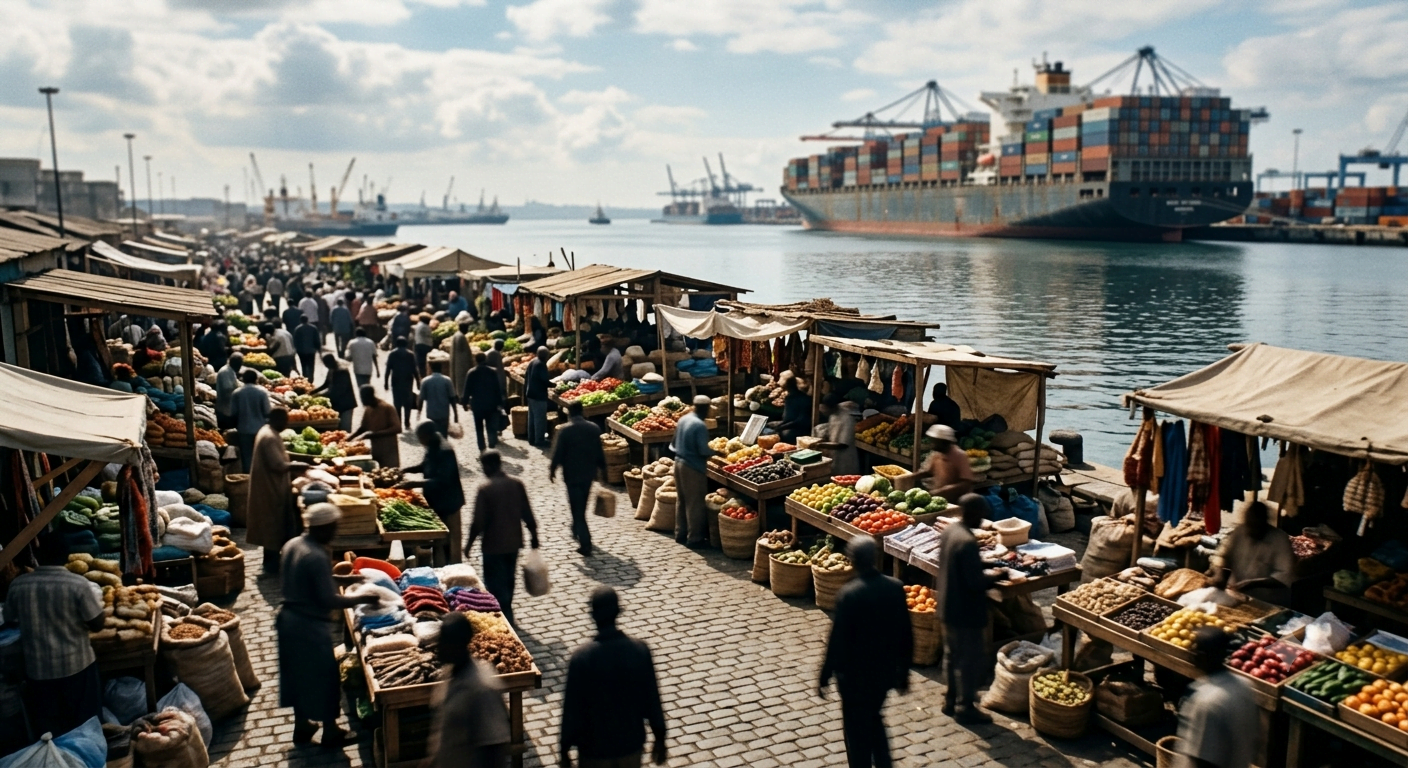
Eamonn Butler: The Case for Free Trade
At a time when protectionism is once again on the rise, the case for free trade deserves renewed attention. In this conversation, Eamonn Butler explores the benefits of globalization, the myths surrounding trade deficits, and the future of an increasingly interconnected world.
-
Alberto Mingardi: Entrepreneurship, Innovation and the State
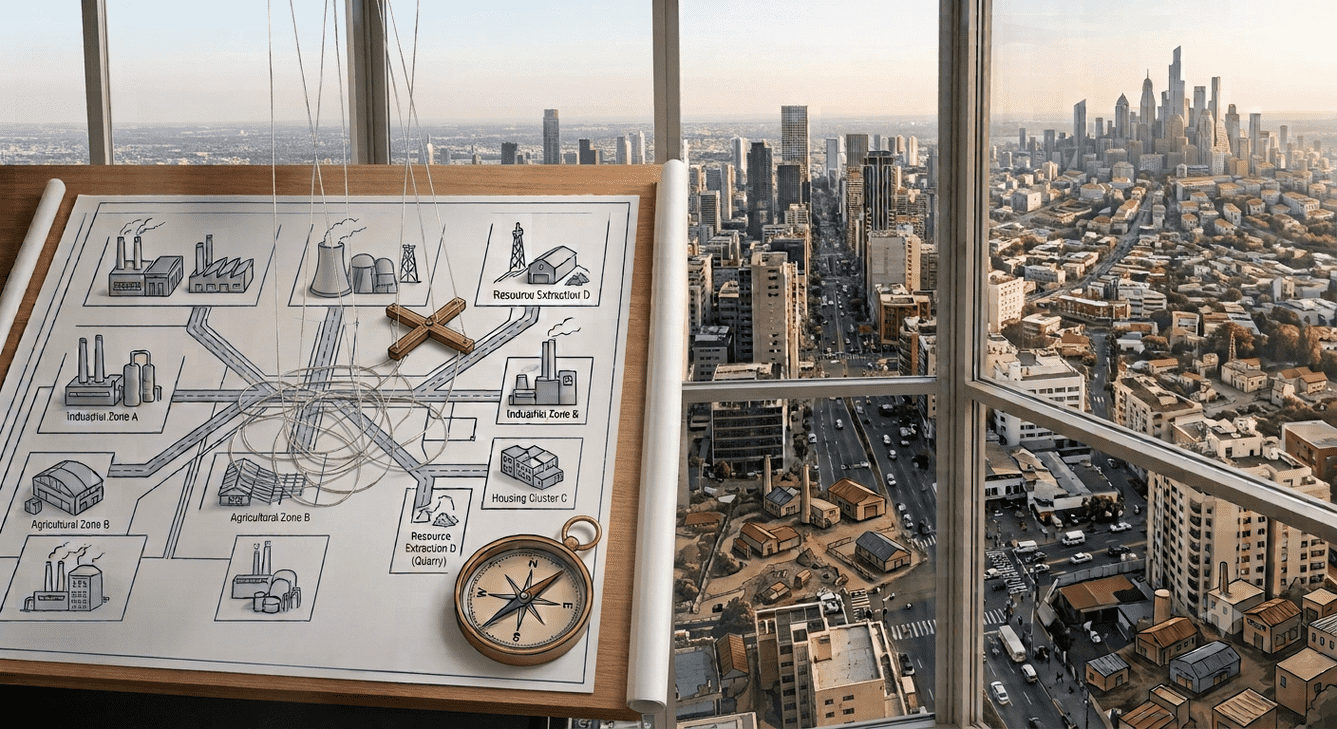
Debates over entrepreneurship, innovation, and the role of the state have become central to modern policy discussions, particularly amid arguments about the “entrepreneurial state” and the origins of technological progress. In this conversation, Alberto Mingardi explores the nature of innovation, the limits of state-driven development, and the dynamics between markets, knowledge, and economic coordination.
-

Johan Norberg: Progress, Globalization, and the Future of Humanity
In a conversation with Johan Norberg, we discuss the forces shaping economic progress in an era of renewed skepticism toward globalization and free markets. The discussion looks at what drives rising living standards and how common assumptions about prosperity often diverge from economic reality.
-

Amir Shani: Tourism and the Sharing Economy
From peer-to-peer platforms to overtourism, Amir Shani discusses the ideas and innovations reshaping how we travel and experience destinations.
-
Per Bylund: Entrepreneurship, Markets, and Human Action
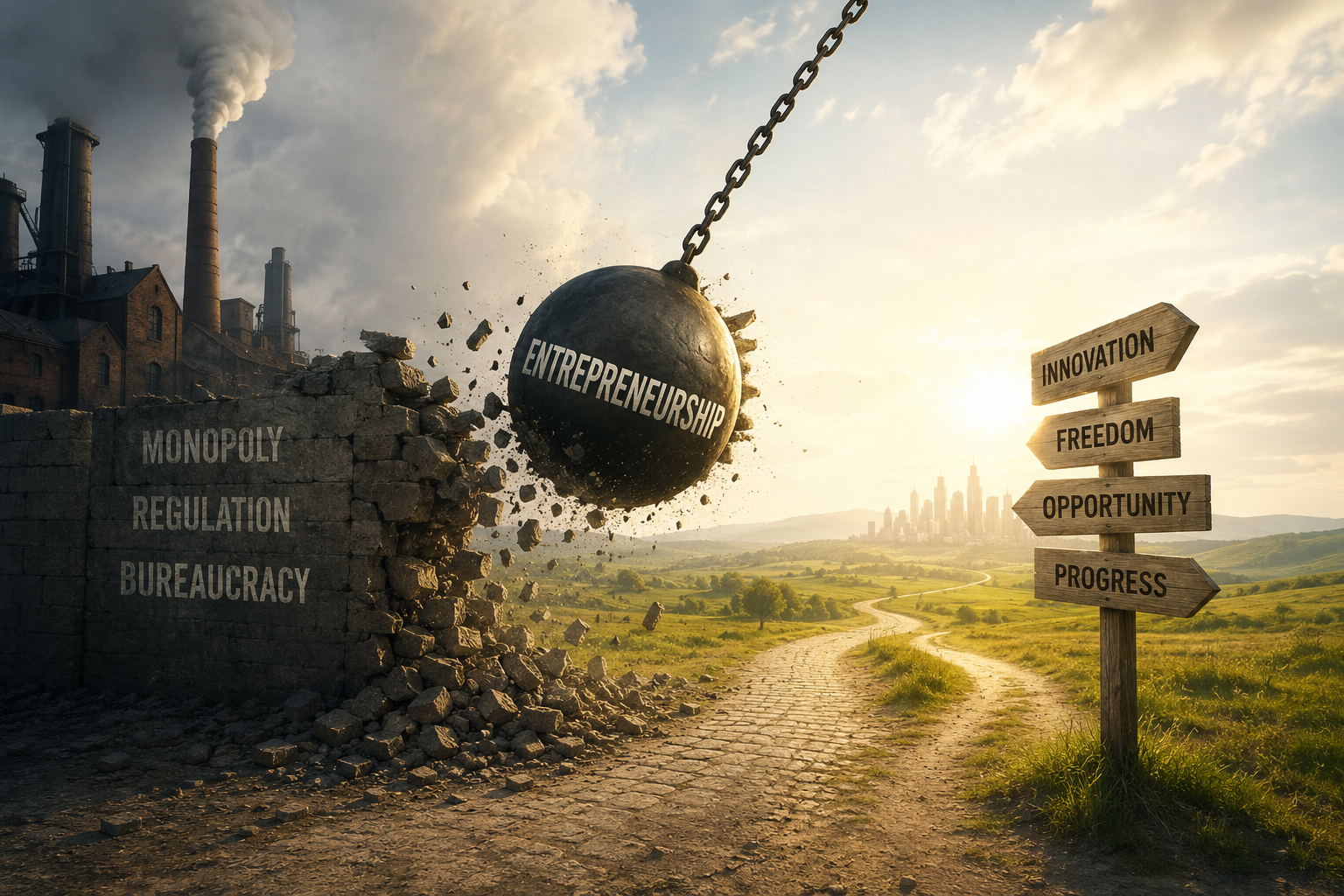
In a conversation with Per Bylund, we discuss how entrepreneurship shapes markets, drives innovation, and transforms the way societies adapt to change in an increasingly dynamic economy.
-

Carole Nakhle: The Politics and Economics of Energy
Today, we discuss with Carole Nakhle the energy transition, renewable energy, nuclear power, energy security, and the realities shaping the future of global energy.
-
Lawrence W. Reed: What Does it take to be a Hero?
In this interview, Lawrence Reed discusses what it takes to be a hero, the enduring importance of character and moral courage, and why personal responsibility remains the foundation of a free society. Readers interested in more of Larry Reed’s thoughts can also check out The Ideas That Shaped America, where we discuss the ideas behind…
-

Steven E. Landsburg: Economics, Incentives, and Everyday Life
We speak with economist Steven E. Landsburg about how to think like an “armchair economist,” why everyday intuition so often fails in economic reasoning, and what it really means to look at the world through incentives, trade-offs, and curiosity rather than moral shortcuts.
-
Sean Malone: Heroes and Villains
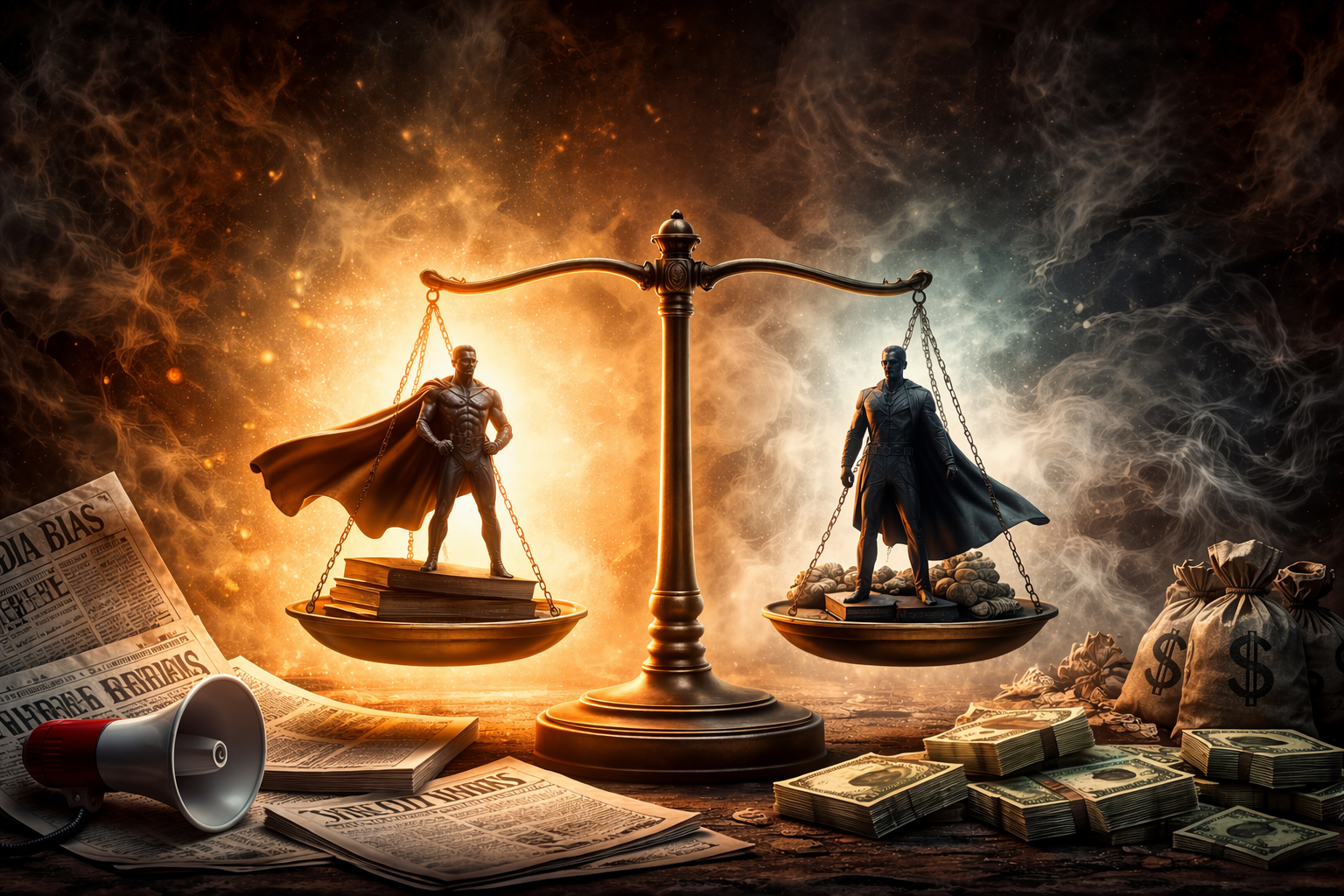
In this interview, Sean Malone discusses why modern pop culture is increasingly drawn to dystopian narratives, what the rise of cancel culture reveals about shifting attitudes toward speech and morality, and how today’s entertainment industry reflects deeper tensions around freedom, responsibility, and meaning in public life.
-

The Last (stand of the) Samurai
You are in Japan around the year 1870. You are living in the early years of the Meiji Restoration, sometimes referred to as the Honorable Restoration. And if you ever thought of an unprecedented era, this was truly such an example, for most, if not all Japanese. Japan rapidly modernized and industrialized and, in the process,…
-

Wonder Woman and the Wonders of Prosperity
The 21st century saw the superhero movie trope being all the rage, capturing vast amounts of box office earnings. Even abysmal movies like Green Lantern (2011) and Fantastic Four (2015) managed to out-earn their budgets. Although Wonder Woman 1984 (2020) didn’t manage to even be properly released in movie theaters, it was still a success…
-

Steve Davies: Jobs, UBI, Automation, and the Future of Work
Automation, demographic change, and welfare reform have brought questions of work and income security back to the center of public debate. Joined by Steve Davies, we discuss the impact of technological change on employment, the case for Universal Basic Income, and the challenges facing modern welfare systems.
-

Kai Weiss & Christopher Barnard: Towards Market Environmentalism
Between climate alarmism and political complacency lies an alternative: market environmentalism. Kai Weiss and Christopher Barnard joined me to discuss how innovation, entrepreneurship, and economic freedom can address environmental challenges while preserving prosperity and human flourishing.